
How to Check Criminal History in Travis County
Start with the office that owns the fact being checked. The District Clerk is the Travis County custodian for adult felony cases, while the County Clerk maintains Class A and B misdemeanor files and Class C appeals. Justice courts and municipal courts keep their own fine-only cases. TCSO handles current jail information and historical incarceration records. DPS supplies the statewide conviction and deferred-adjudication product. The official Travis County directory helps route a request when the department name is known.

The directory is a routing point, not a combined criminal history database. Use full names, date of birth, spelling variants, a cause or booking number, and an event date when available. Those details reduce common-name errors and give staff enough facts to locate an older record.
- Identify whether the needed fact concerns an arrest report, jail stay, filed case, conviction history, warrant, or supervision.
- Search the proper Travis County clerk, court, or TCSO channel with the strongest identifier available.
- Read the scope statement before treating a result as complete. A misdemeanor search will not show felonies or every city citation.
- Compare the court, date of birth, charge, case number, and agency before accepting a name match.
- Ask the record custodian for an older file or certified copy, or use fingerprint review for an identity-linked Texas record.
Record flow: Arresting agency › TCSO booking › prosecutor › Travis County clerk and court › Texas DPS repository.
Four Travis County Criminal Records
A police report, booking entry, court file, and DPS history answer separate questions. APD, TCSO, a city police department, a constable, or another arresting agency writes the incident narrative. If a person enters the county jail, TCSO creates booking identifiers, takes fingerprints, lists intake charges, and tracks custody. A prosecutor may later reject, reduce, enhance, or replace those charges. Only then does the correct clerk maintain the filed case and final judgment.
The DPS repository receives fingerprint arrest events and later disposition reports. Its public product is narrower than the full record available for a subject's fingerprint review. This split explains why the same name may appear in one place and not another. It also explains why a booking charge can differ from a filed charge without either office making an error. For the court side, the county's criminal courts routing page separates settings, felony files, misdemeanor files, and inmate information.
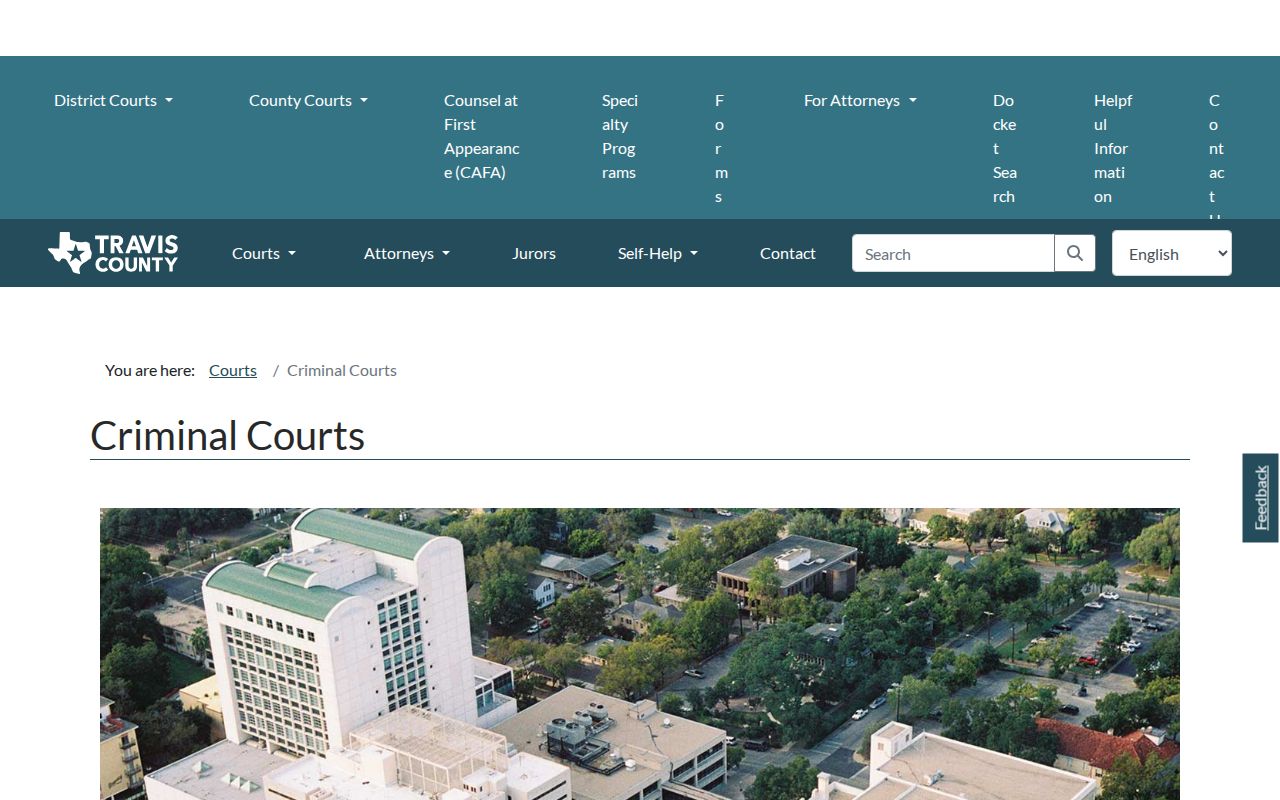
That split should guide each search: allegations belong with the report, custody with TCSO, prosecution with the clerk, and statewide history with DPS.
Official Texas Background Checks
Texas Department of Public Safety, Crime Records Division runs the Texas Criminal History Conviction Name Search. The public portal reports convictions and deferred adjudications submitted to DPS. It requires an account and prepaid credits. DPS lists one $1 credit for an online search, plus card convenience charges. A mailed CR-42 request costs $10. Name results remain probabilistic, so they do not prove that two people with the same name are the same person.
The DPS public criminal history portal is the official name-search entry point.
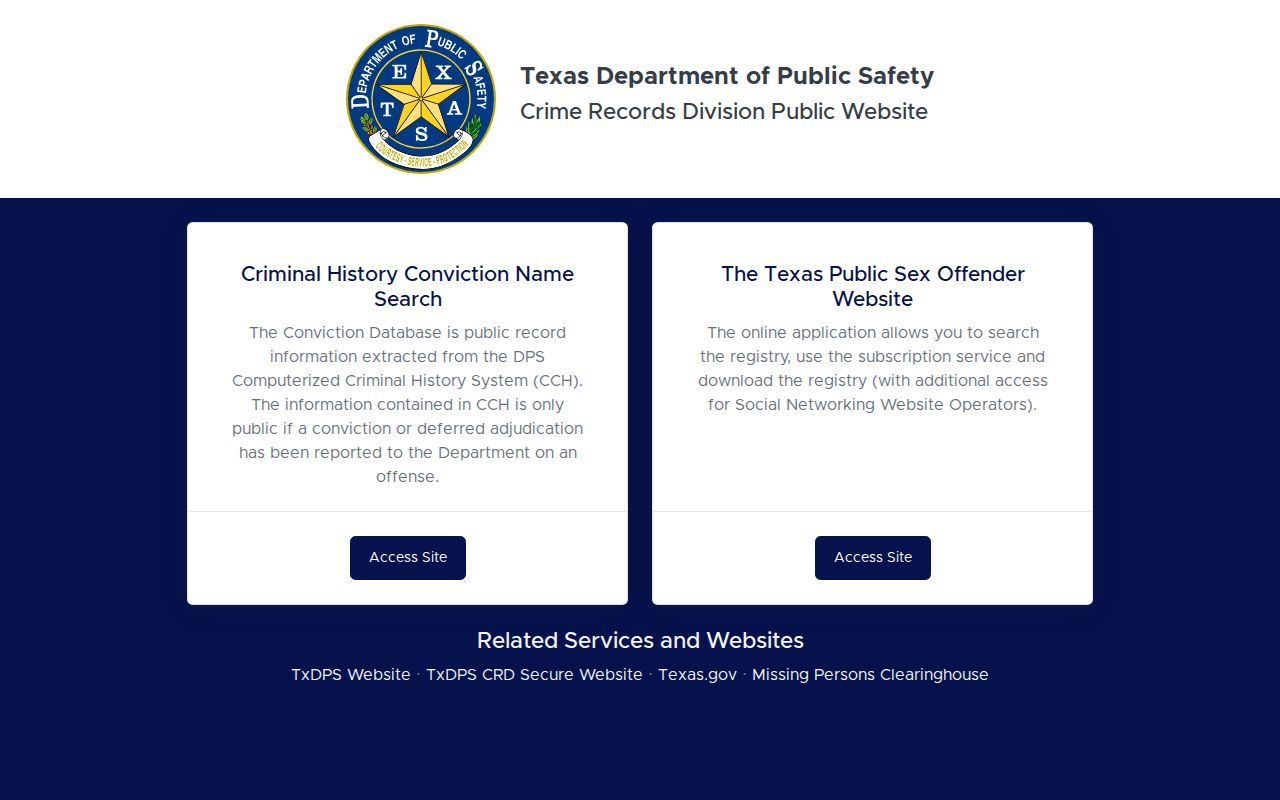
DPS preview and match labels help narrow a result, but a full date of birth and other identifiers still matter. A fingerprint personal review is the stronger route for checking one's own Texas record. FAST uses IdentoGO by IDEMIA. DPS lists $15 for the record check and $10 for FAST fingerprinting, while two hard cards alone cost $20.
| Official check | Research fee | Best use |
|---|---|---|
| DPS online name search | $1 credit plus card charges | Public conviction and deferred-adjudication search |
| DPS mailed CR-42 | $10 | Offline request for the same public category |
| DPS fingerprint review | $15 plus $10 FAST capture | Identity-linked review of one's own Texas record |
| FBI Identity History Summary | $18 plus capture or channeler costs | Subject-only federal identity history |
Travis County DPS Match Pitfalls
DPS starts with the submitted name and birth details, then may broaden combinations by removing a middle name, comparing birth month and day, or applying Soundex. A common surname can therefore return several possible rap sheets. A search with no match still uses a credit and does not certify that no record exists under another spelling or identifier. The result must be checked against descriptive data and the originating court.
The DPS matching and credit instructions explain preview data, charged results, and search history behavior.

A person disputing a name result should use fingerprint personal review, then work with the reporting arresting agency, court, and DPS correction channel. DPS also warns that returned detail is not saved in the same way as the submitted query, so saving a needed result at the time of access is prudent.
The DPS criminal history FAQ distinguishes public name checks from fingerprint-based personal reviews.
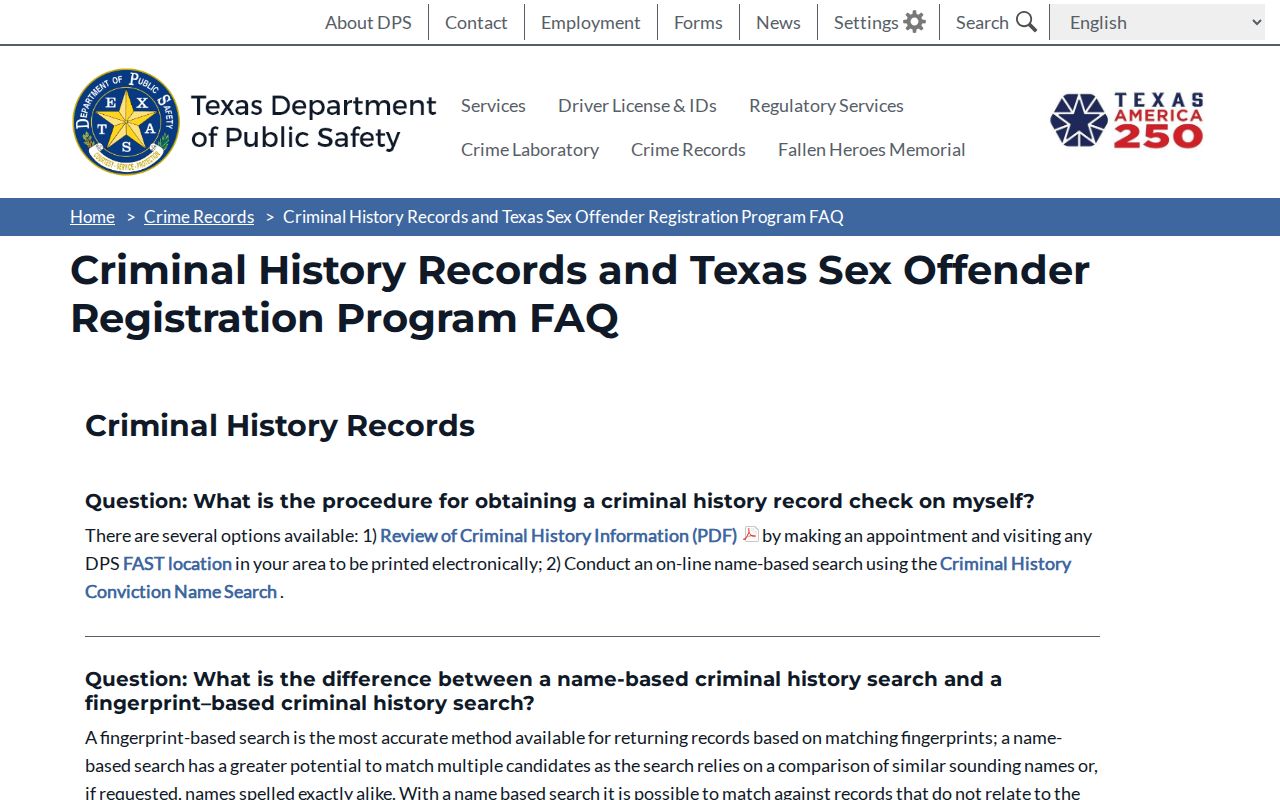
That distinction matters most when identity, completeness, or a missing disposition is the real issue.
Types of Criminal Records
Travis County agencies create records at each stage of a case. The badge on a report identifies the agency that owns the narrative. TCSO owns its booking and incarceration products. The District Clerk owns felony filings, the County Clerk owns higher misdemeanor files, and a municipal or justice court keeps its original Class C matter. DPS and TDCJ add state-level history and custody data after the local event reaches them.
- Incident and arrest reports: allegations, officer action, location, property, and the basis for custody, subject to redaction.
- Booking records: intake time, booking and Jail ID, custody site, charge, bond, hold, and release data.
- Court case files: charging instrument, motions, settings, pleas, orders, judgment, sentence, and financial entries.
- Warrant records: process issued by municipal, JP, county, district, or state authorities, each with its own confirmation route.
- State records: DPS criminal history, TDCJ sentenced custody, parole status, and the public sex offender registry.
Absence from one list does not erase the other products. A released person may leave the current inmate roster while an incarceration record remains available. A dismissal may end a court charge while the arrest transaction still requires expunction analysis.
Travis County Court and Jail Records
The Blackwell-Thurman Criminal Justice Center at 509 West 10th Street stands across from the Travis County Jail and Central Booking Facility at 500 West 10th. Their closeness mirrors the quick move from booking to magistration and court, but the buildings do not share a record counter. Clerks at the justice center preserve filed cases. TCSO preserves custody material. The sheriff's Central Records office is farther away at 5555 Airport Boulevard.
That physical divide is why a trip to the courthouse can fail when the real need is an arrest report or incarceration certificate. TCSO asks courthouse visitors to allow at least 45 minutes for security screening. The county does not promise parking validation. Anyone seeking records in person should confirm the office, access rules, and counter hours before travel.
District Clerk Criminal Division
Felony cases, felony search warrants, nondisclosures, and all Travis County expunction cases.
512-854-9420
County Clerk
Class A and B misdemeanors and appealed Class C matters.
512-854-9188
TCSO Central Records
5555 Airport Boulevard, Austin, Texas 78751.
512-854-9749
Weekdays, 8 a.m. to 4 p.m. for incarceration-record pickup.
What a Travis County Criminal Record Shows
A Texas rap sheet is arranged around identity and arrest cycles. A Travis County court file adds more detail about the local prosecution, and a TCSO booking entry adds custody facts. Read the field labels before comparing records. A cause number belongs to the court case, while a booking number or Jail ID belongs to TCSO. A Texas SID and fingerprint transaction identifiers connect events in the state repository.
| Name and identifiers | Current name, aliases, date of birth, sex, race, SID, FBI number, and local identifiers where releasable. |
|---|---|
| Arrest and booking | Agency, arrest and intake dates, booking number, Jail ID, custody site, holds, and release data. |
| Charges and statutes | Alleged offense, code citation, degree or class, count, and later filed charge. |
| Case events | Court, cause number, complaint, information or indictment, settings, motions, plea, and trial events. |
| Disposition and sentence | Dismissal, acquittal, conviction, deferred adjudication, judgment, custody, community supervision, and financial entries. |
| Restricted material | Protected identifiers, victim and juvenile data, sealed files, and confidential agency notes are omitted or redacted. |
Classification is not outcome. Codes such as F2, FS, MA, or MB describe the alleged or adjudicated level, while the disposition tells what happened to the charge.
When Travis County Booking Records Lag
A person can enter TCSO custody before a clerk case exists. Booking staff first create the jail entry and send fingerprints through the state criminal-justice system. A magistrate then handles warnings, probable cause, counsel, and bail. Prosecutors decide whether and what to file. The clerk creates a searchable case only after filing, so the absence of a cause number soon after arrest is not a final result.
Search the current inmate channel, record the booking number, and call jail information at 512-854-9889 if the person is not shown. Next, check current criminal settings and the clerk that matches the charge level. If APD made the arrest, its daily incident search reaches back 18 months. Request the narrative from the arresting agency, not TCSO, unless TCSO wrote it.
For a county-level request, the Travis County public information directory identifies the department that holds each kind of record.
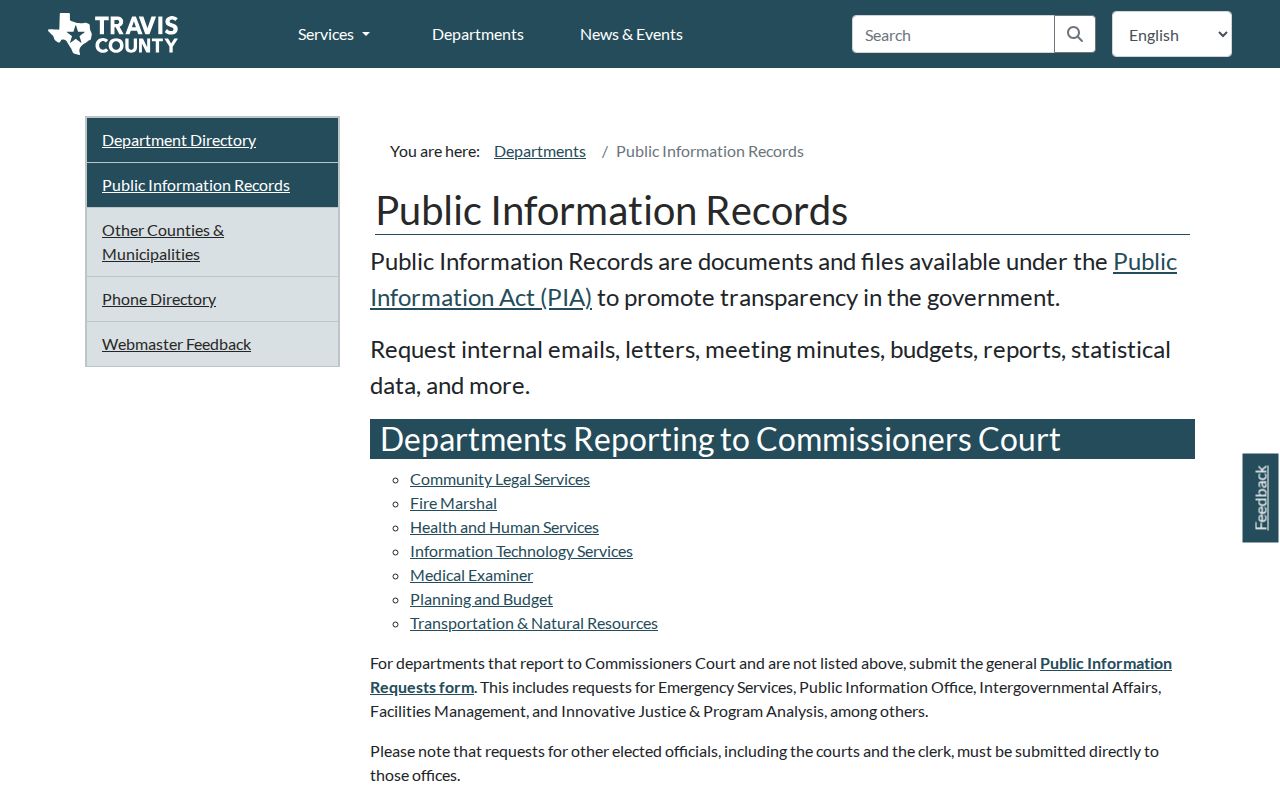
The directory reinforces a key rule: Travis County has no single open-records office that can retrieve every sheriff, clerk, and court product.
Public Access Laws
The Texas Public Information Act applies to releasable records held by executive agencies, but requests must reasonably identify an existing record. It does not require an office to conduct research or answer questions. Court case files follow clerk access rules, while judicial administrative records may fall under Texas Rules of Judicial Administration Rule 12. DPS dissemination has its own limits under Government Code Chapter 411.
The county's records request guidance explains the department-by-department approach and the notice used when responsive material cannot be produced within ten business days.
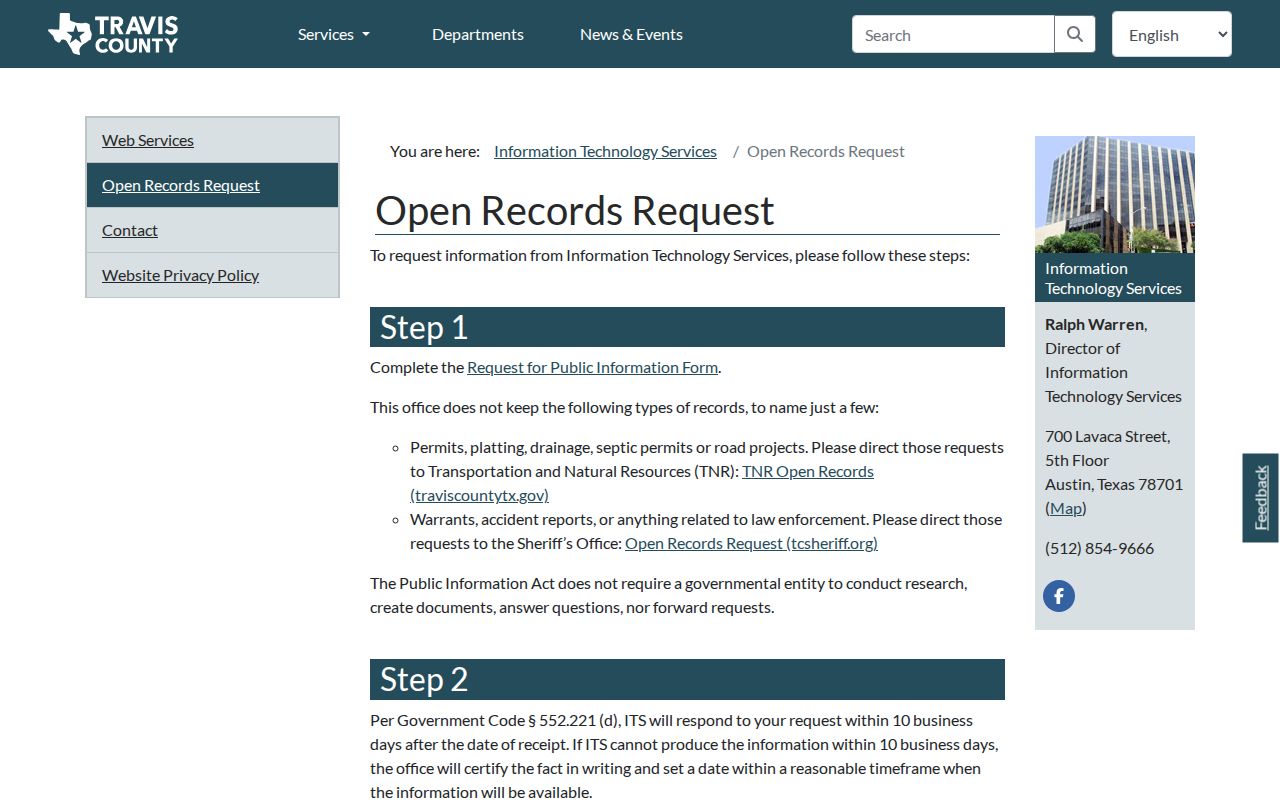
Active investigations, juvenile records, victim-sensitive facts, medical data, financial identifiers, and sealed material may be withheld or redacted.
Key statutes:
Texas Government Code Chapter 552 creates the public information process and withholding procedures.
Texas Government Code Chapter 411 governs criminal-history dissemination and nondisclosure.
Texas Code of Criminal Procedure Chapter 66 identifies the records and agencies that feed the statewide criminal-justice system.
Texas Code of Criminal Procedure Chapter 55A supplies the current expunction framework.
Travis County Warrant Record Chain
Warrants can begin in different courts and do not share one public status screen. TCSO Central Warrants answers county warrant questions at 512-854-9751, while its Self Surrender desk uses 512-854-7860. Austin municipal and community court warrants route to the city court. County and district capias entries attach to clerk cases. A JP warrant belongs to the issuing justice court, and a parole warrant belongs to TDCJ.
Search an official warrant channel, then confirm with the issuing court because public data can lag. A displayed record may list a name, warrant or case number, charge, issuing court, date, and bond status. Resolution can require an appearance, payment, bond, recall, counsel, or surrender based on the issuing court's direction. Never confront a listed person or try to make an arrest.
Note: TCSO warns that officers will not call and demand payment, so verify any payment demand through an official number.
Sealed, Expunged & Restricted
Juvenile files, victim identifiers, active-investigation material, protected addresses, medical data, full personal identifiers, and sealed documents may be hidden or redacted. An order of nondisclosure limits public release but leaves the record available to government users named by law. Expunction under Chapter 55A is stronger and can require qualifying arrest records to be destroyed or returned.
All Travis County expunction proceedings route through the District Clerk, including those tied to misdemeanor arrests. Eligibility depends on the full arrest transaction, charge, outcome, criminal episode, and waiting rule. Common statutory paths include acquittal, pardon, certain dismissals or nonfiling, mistaken identity, and qualifying pretrial intervention. The District Clerk's 2026 schedule lists no petition fee when the filing occurs within 30 days of acquittal; other matters carry the published filing and service costs.
| Remedy | Effect | Record check after order |
|---|---|---|
| Expunction | Statutory destruction, return, and restricted acknowledgement for qualifying events | Check the Travis portals and use DPS personal review; send certified orders if a record remains. |
| Nondisclosure | Restricts public dissemination while preserving access for specified government agencies | Confirm the order and the public portal response with the clerk and DPS. |
Travis County Jail and Prison Records
TCSO operates the local jail system for current custody, pretrial detention, and local sentences. TDCJ holds people committed to state prison. The searches do not substitute for each other. A released person may no longer appear on the current TCSO roster, while a person sentenced to TDCJ may be found through the state locator with offense, location, projected release, and some parole-related data.
The TDCJ Online Inmate Search is the official state-prison locator.
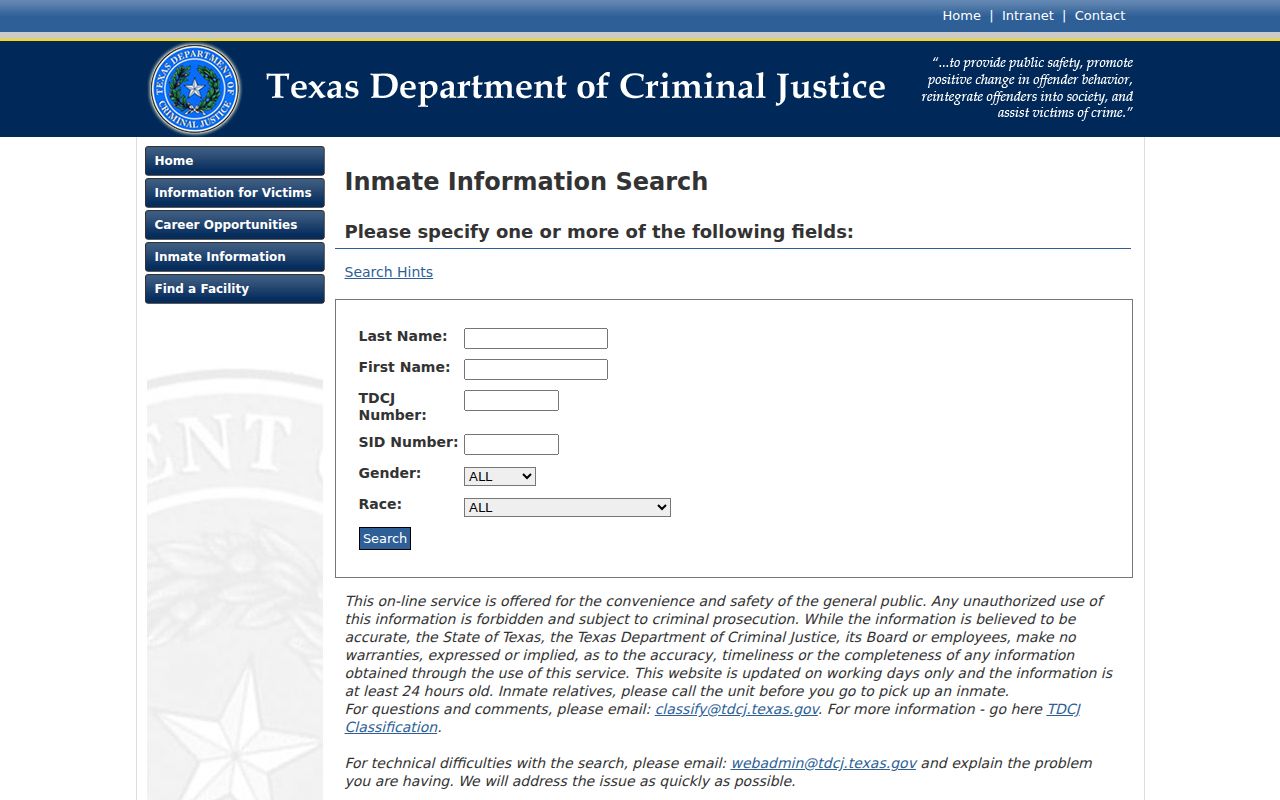
For past county custody from May 1988 forward, TCSO sells a $15 incarceration record at Central Records. The subject must present accepted ID. A third party needs notarized authorization or power of attorney plus a copy of the subject's ID. TCSO expressly says the product is not a criminal history or clearance letter.
Travis County Supervision Records
Travis County Adult Probation, also called CSCD, handles court-ordered community supervision. TDCJ Parole Division supervises people released from state confinement, while the Texas Board of Pardons and Paroles makes release and revocation decisions. A court judgment and post-judgment docket are the public starting points for probation. Operational notes, conditions, and supervision details may remain restricted.
For parole, the TDCJ locator and official status lines are the correct state channels. The Austin I and II District Parole Offices are at 1616 Headway Circle. The Board's Austin office is on West Howard Lane. A motion to revoke or adjudicate, along with a related capias, may appear in a Travis County court docket even if a supervision officer's notes do not.
Appointments for fingerprint review instead begin through the FAST IdentoGO scheduling portal.
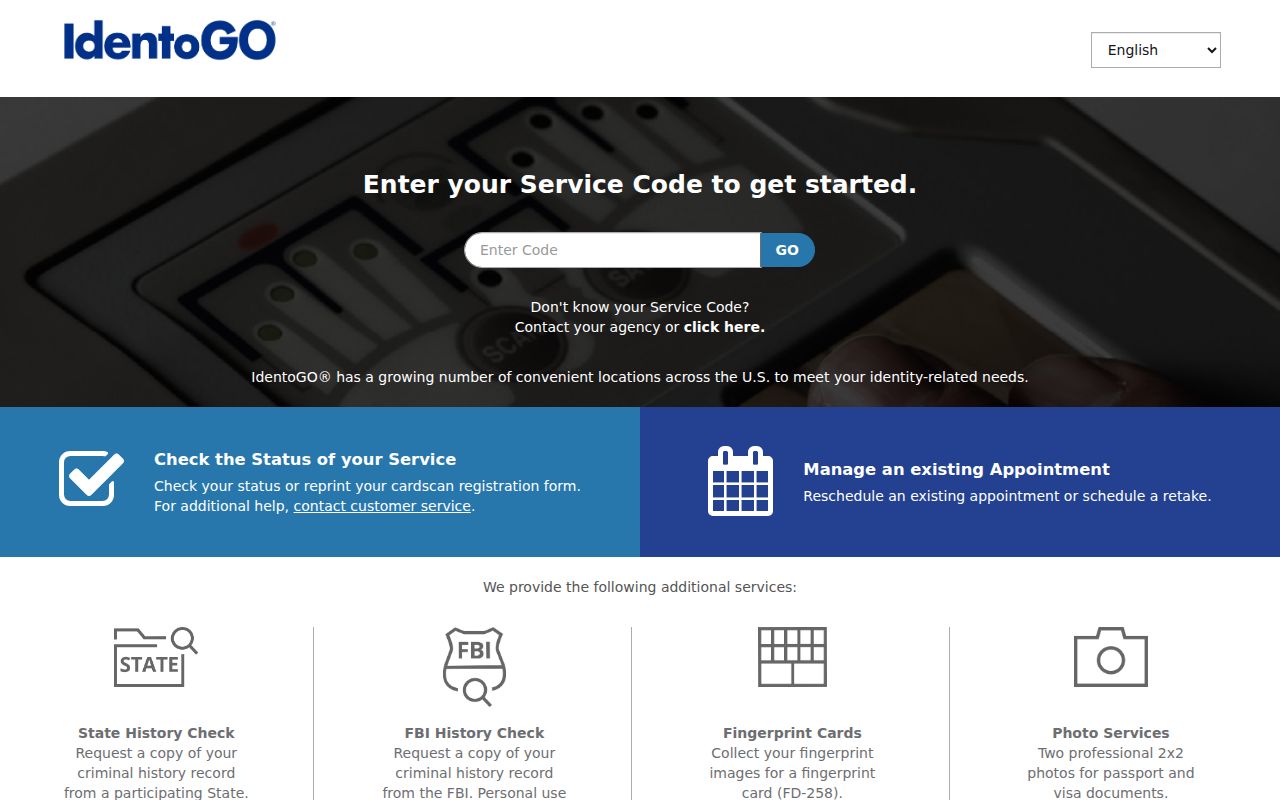
That process ties a personal review to fingerprints and accepted identification, which is more reliable than a name-only match.
Criminal Records by City in Travis County
City police departments retain their own incident narratives, and municipal courts keep traffic, ordinance, and fine-only Class C matters. Austin offers a public incident search and its own municipal case portal. Pflugerville and Manor route city reports through their local police or public information channels, while custodial arrests normally move into TCSO booking. County clerk searches do not replace those city records.
The statewide re:SearchTX court service adds another official layer, but coverage and document access depend on the participating court.
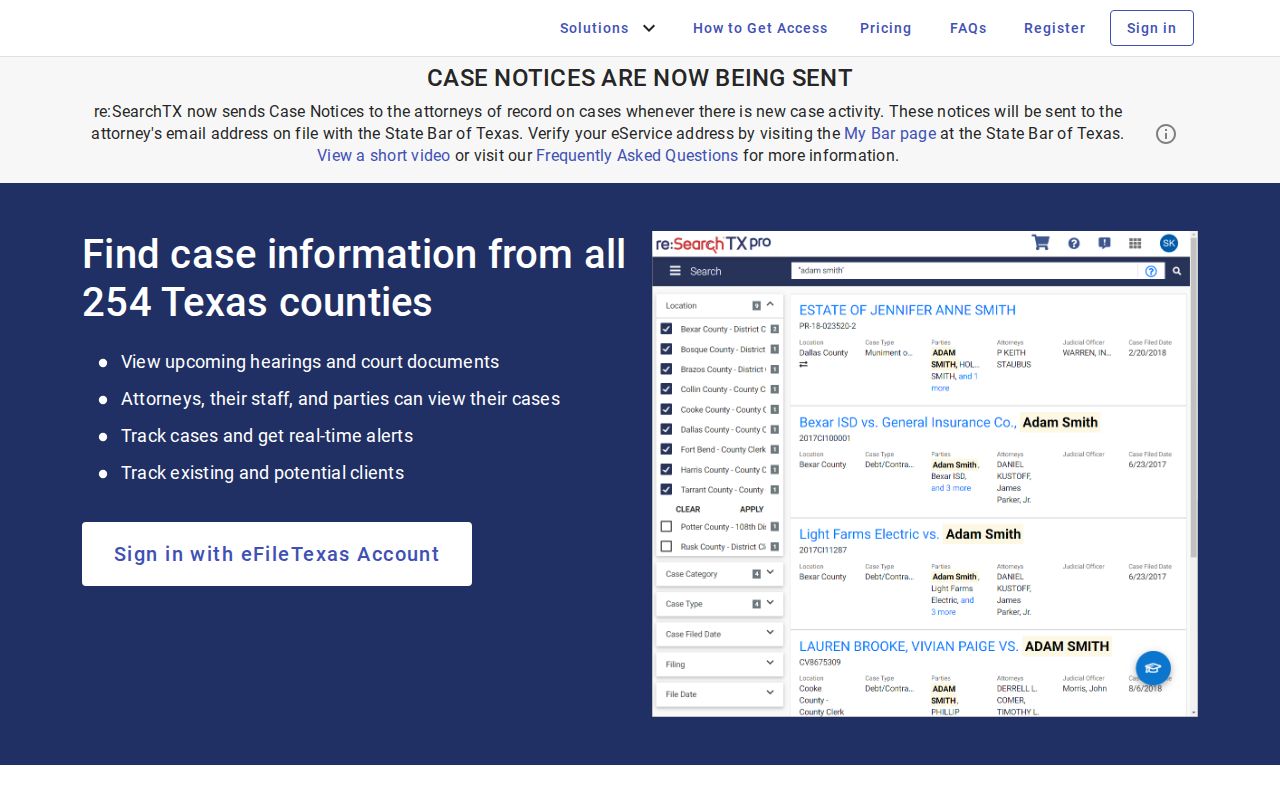
Use the city guide that matches the arresting department or issuing municipal court, then move to TCSO and the proper Travis County clerk if the matter left city jurisdiction.
Austin Criminal History
APD incident reports, city public information requests, and Austin Municipal Court records.
Pflugerville Criminal History
Pflugerville Police records, municipal citations, and the path to TCSO booking.
Manor Criminal History
Manor Police reports, fine-only municipal matters, and county filing routes.